RestRoom IQ
RestRoom IQ helps compare nearby options using source signals, place context, brand profiles, and user-submitted ratings. A score is a planning aid, not a promise about current conditions.
Place type Source labels User ratings
IQ Platform
RestRoom IQ compares individual places. Journey IQ plans restroom stops along a route. Scout IQ looks ahead during an active trip. All three use source labels so recommendations stay explainable.
No account required. RestMap does not store your precise location on its servers. RestRoom IQ scoring runs on device.

Scan with your iPhone Download RestMap from the App Store.
Three layers
The closest bathroom is not always the best stop, and the highest-scoring place can still be wrong for a trip. RestMap separates place scoring, route planning, and active-trip lookahead so each situation gets the right context.
RestRoom IQ helps compare nearby options using source signals, place context, brand profiles, and user-submitted ratings. A score is a planning aid, not a promise about current conditions.
Place type Source labels User ratings
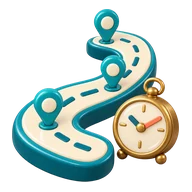
Journey IQ plans stops along a route using RestRoom IQ, detour distance, stop spacing, route context, and EV charging context when relevant.
Route position Detour Spacing
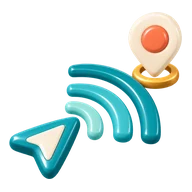
Scout IQ evaluates options ahead during an active trip and can surface a nearby useful stop before the next stretch gets thinner.
Scout Premium keeps grading the road ahead on the lock screen.
Scout Ahead Active trip Route context
Source context
RestMap shows when a suggestion is backed by restroom-specific data, when it comes from broader place context, and when coverage is thin.
Data is sourced from OpenStreetMap, Refuge Restrooms, Open Charge Map, MapKit/Apple Places, RestMap brand profiles, and user-submitted ratings. Previously loaded locations and ratings can remain available without signal.
Refuge Restrooms, OpenStreetMap restroom tags, brand profiles, and user-submitted ratings can strengthen a score when they point in the same direction.
MapKit/Apple Places, Open Charge Map, and route geometry help the app understand what kind of stop a place is and how much of a detour it may be.
When sources are missing or disagree, RestMap shows that uncertainty instead of making the result look stronger than it is. See Data Sources for the full source list.
How signals combine
The app weighs several practical signals together. Different surfaces emphasize different signals, because nearby search, route planning, and active-trip lookahead solve different problems.
RestRoom IQ weighs the type of place, restroom-specific source context, user-submitted ratings, and brand profile information.
Journey IQ considers whether a stop is close to your route, reasonably spaced from other breaks, and useful for the trip you are planning.
Scout IQ favors useful options that are actually ahead on the active trip, not just faraway pins with strong standalone scores.
No account required. RestMap does not store your precise location on its servers. RestRoom IQ scoring runs on device.
Plain limits
A restroom finder can make better use of available data, but source data can change. RestMap explains why a result appears and makes weak coverage visible.
Scores reflect data patterns and user-submitted ratings. They do not certify cleanliness, access, hours, or current conditions.
It helps plan restroom breaks around a route. Traffic, closures, construction, and driver needs can still change the right stop.
Scout Ahead suggestions are planning context. Navigation instructions, road conditions, and safe driving come first.

Compare candidate stops, plan breaks, surface source labels, and identify when restroom coverage is thin. Use the app as restroom planning context, not as a safety, medical, or urgent-care tool.
FAQ
RestRoom IQ is the scoring layer for individual restroom options. It compares place type, source context, brand profiles, and user-submitted ratings.
Journey IQ plans restroom stops along a route by weighing score, detour, stop spacing, route context, and EV charging context when relevant.
Scout IQ is the active-trip layer behind Scout Ahead. It looks for useful restroom options ahead while a trip is active.
No. Source data and conditions can change. RestMap helps compare options and shows source context so you can decide with more information.
No account required. RestMap does not store your precise location on its servers. RestRoom IQ scoring runs on device.
Data is sourced from OpenStreetMap, Refuge Restrooms, Open Charge Map, MapKit/Apple Places, RestMap brand profiles, and user-submitted ratings.
Use RestMap to compare nearby public restroom options, plan route breaks, and understand why a suggestion appears before you choose.
